HEALTH
Shanaz Ikonne UX Research
Tools: Figma, Google Forms, Optimal Workshop
Challenge
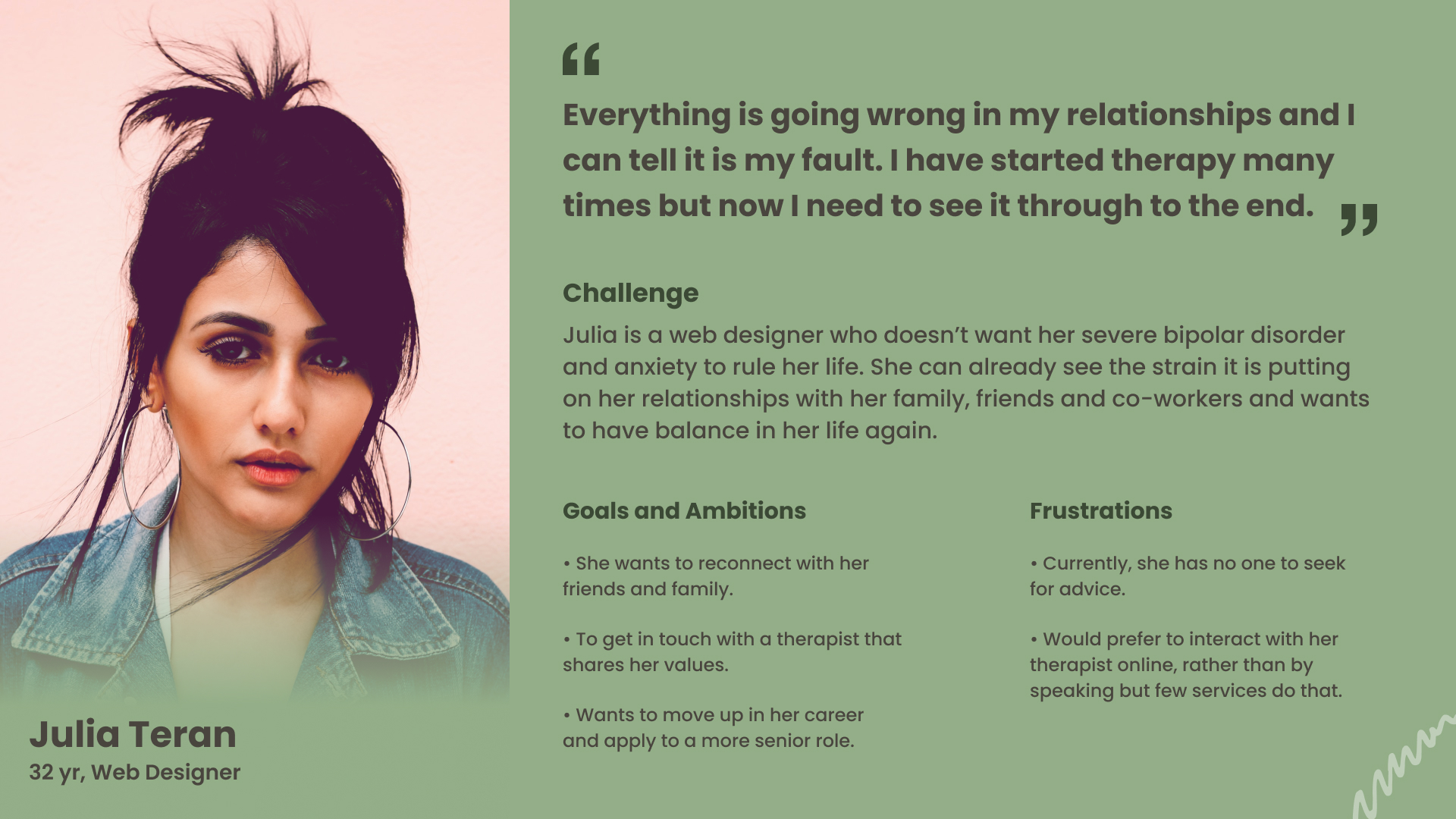
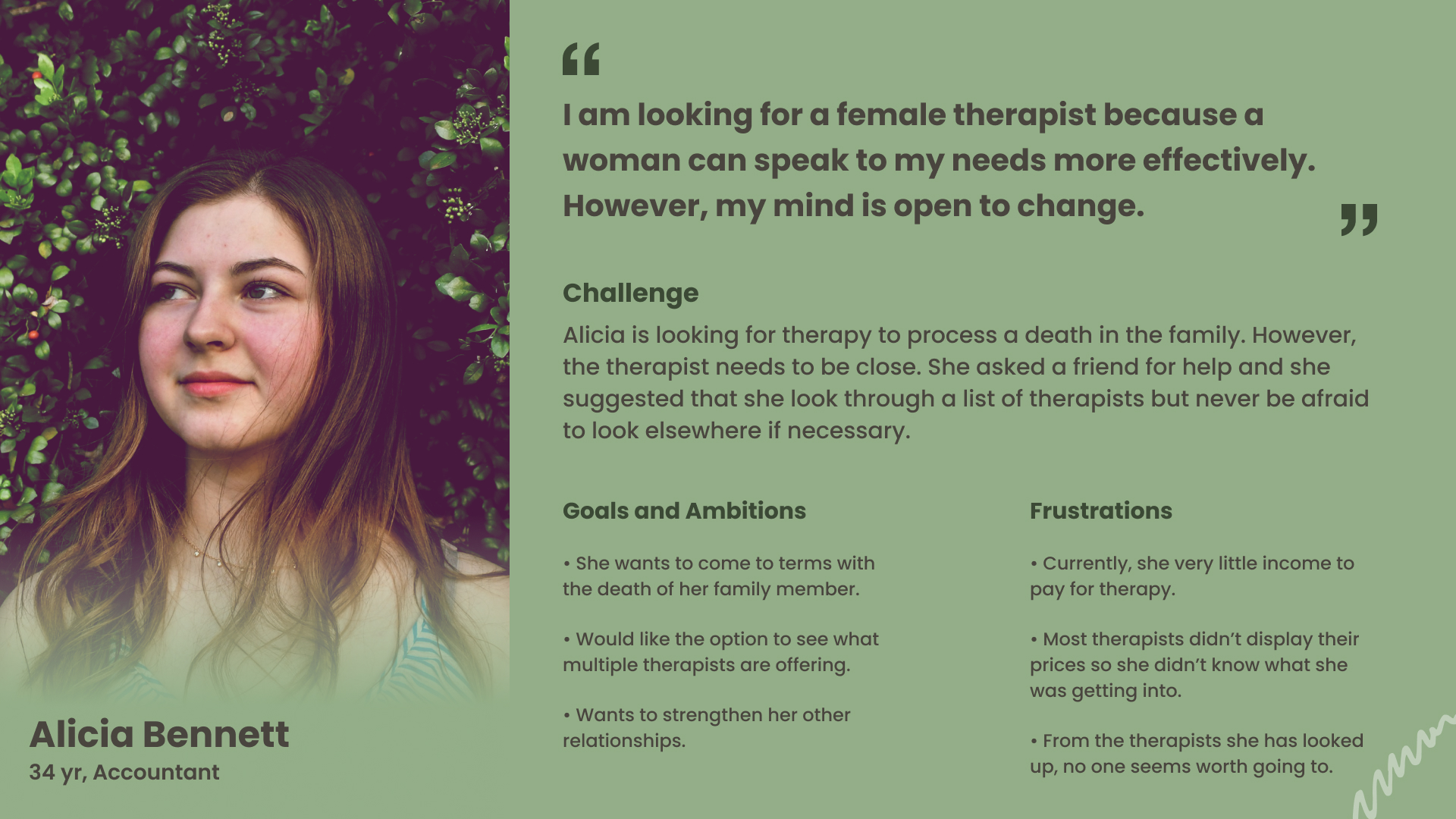
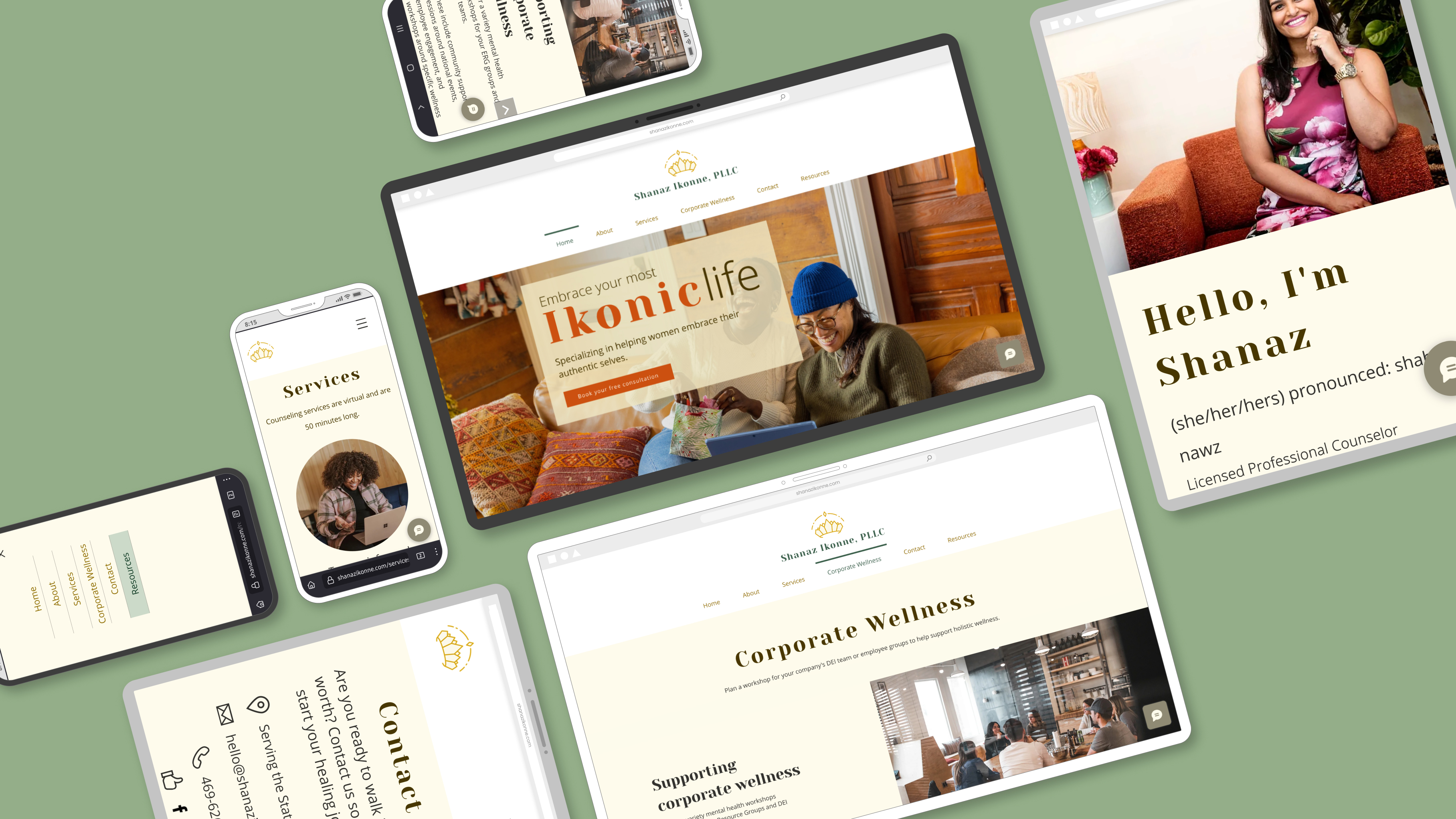
The client needed a clearer understanding of how their website could better support and connect with their audience, particularly patients from neurodiverse, LGBTQ+, and BIPOC communities, before investing in a redesign.
Role
UX Researcher (Freelance), responsible for audience research, survey design, and synthesizing insights to guide future design and development decisions.
Impact
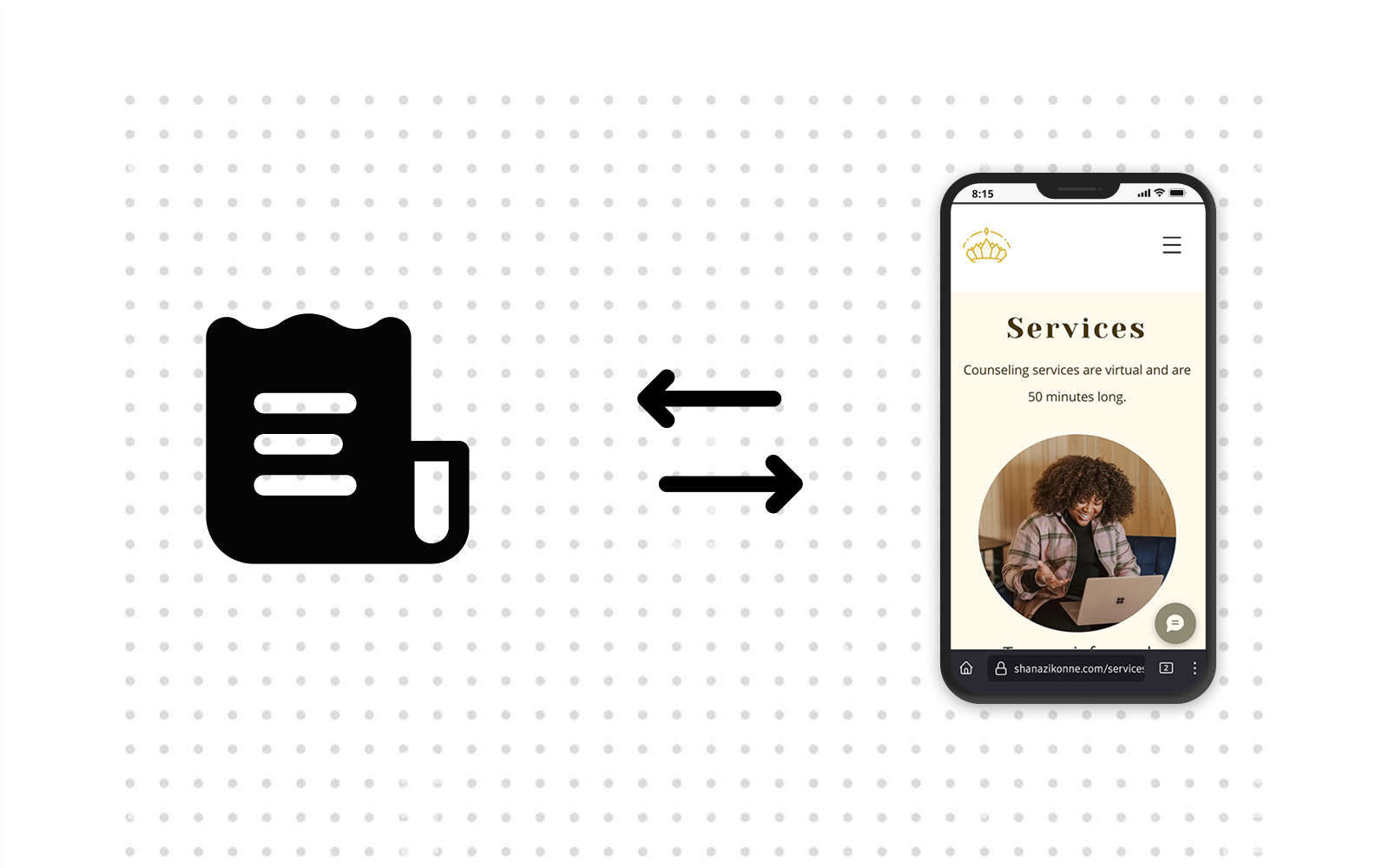
01 Reduced Design Risk Through Research
Conducted targeted research with representative audience members to identify real user needs and expectations. This ensured that future design decisions were grounded in user insight rather than assumptions.
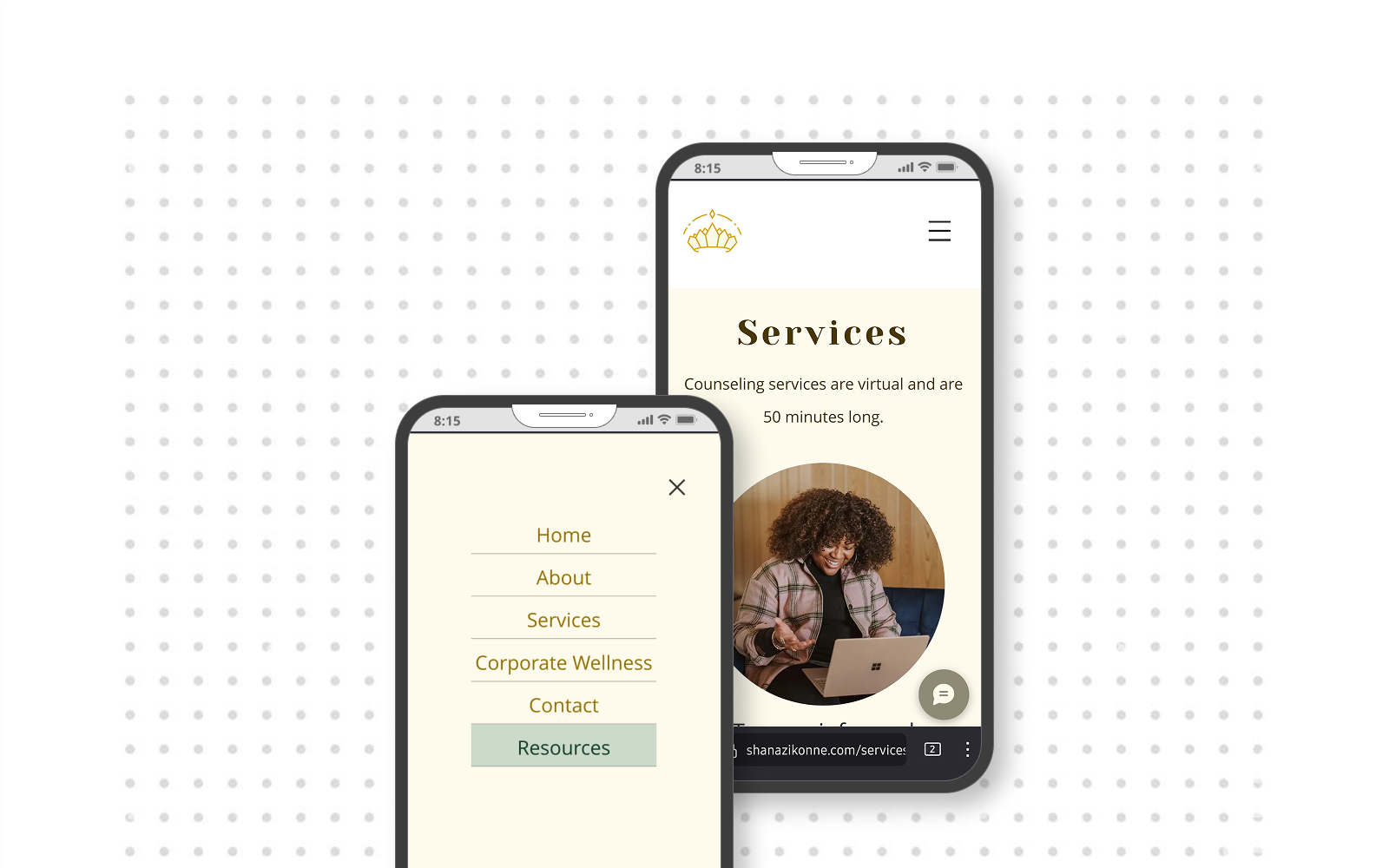
02 Improved Navigation Clarity
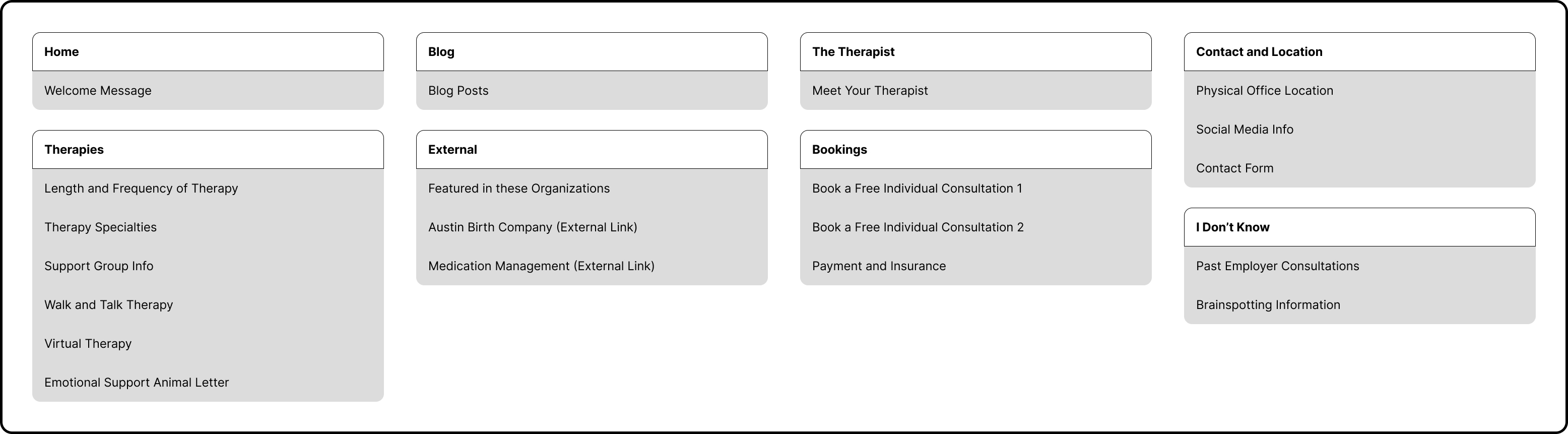
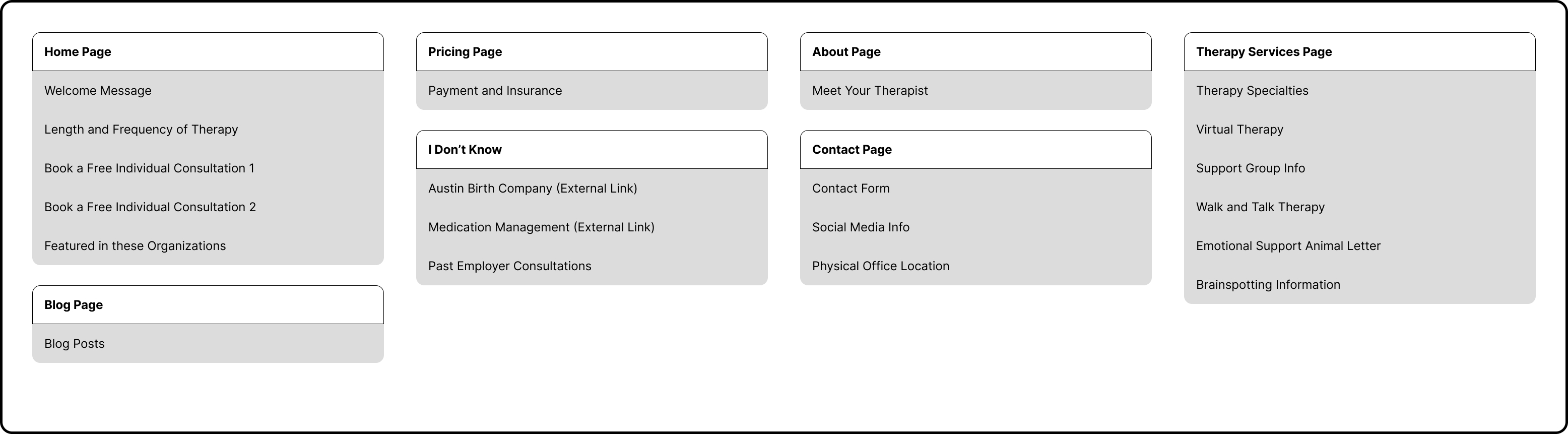
Identified navigation and information density issues that made the existing website difficult to use. Simplifying navigation structure helped align the site with how patients actually search for and process information.
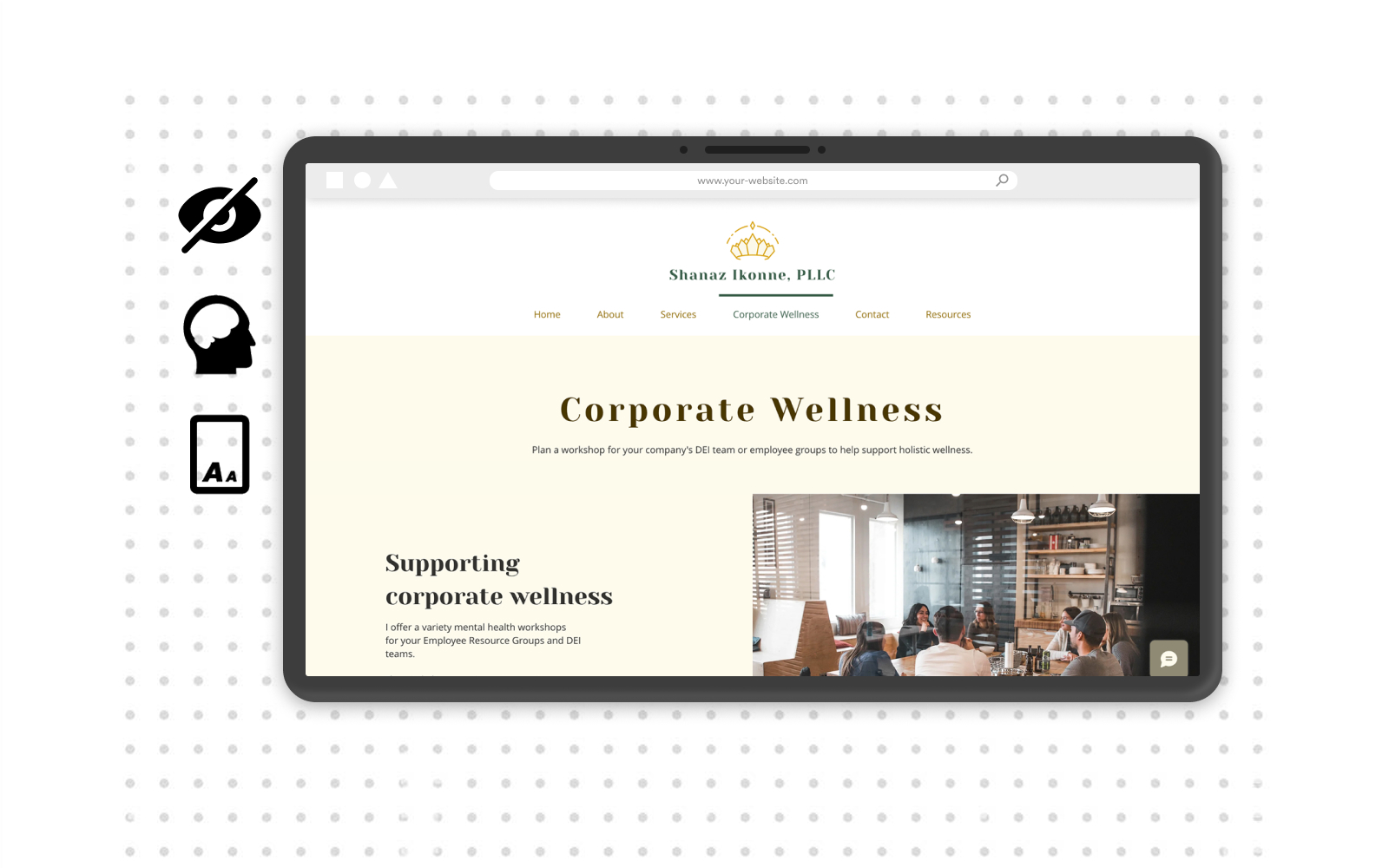
03 Accessibility-Driven Design Direction
Highlighted accessibility considerations for users with ADHD and dyslexia, reframing accessibility as a core requirement rather than an enhancement. This helped ensure the redesigned site would be usable by a broader range of patients.
04 Clear Design Guidelines for Implementation
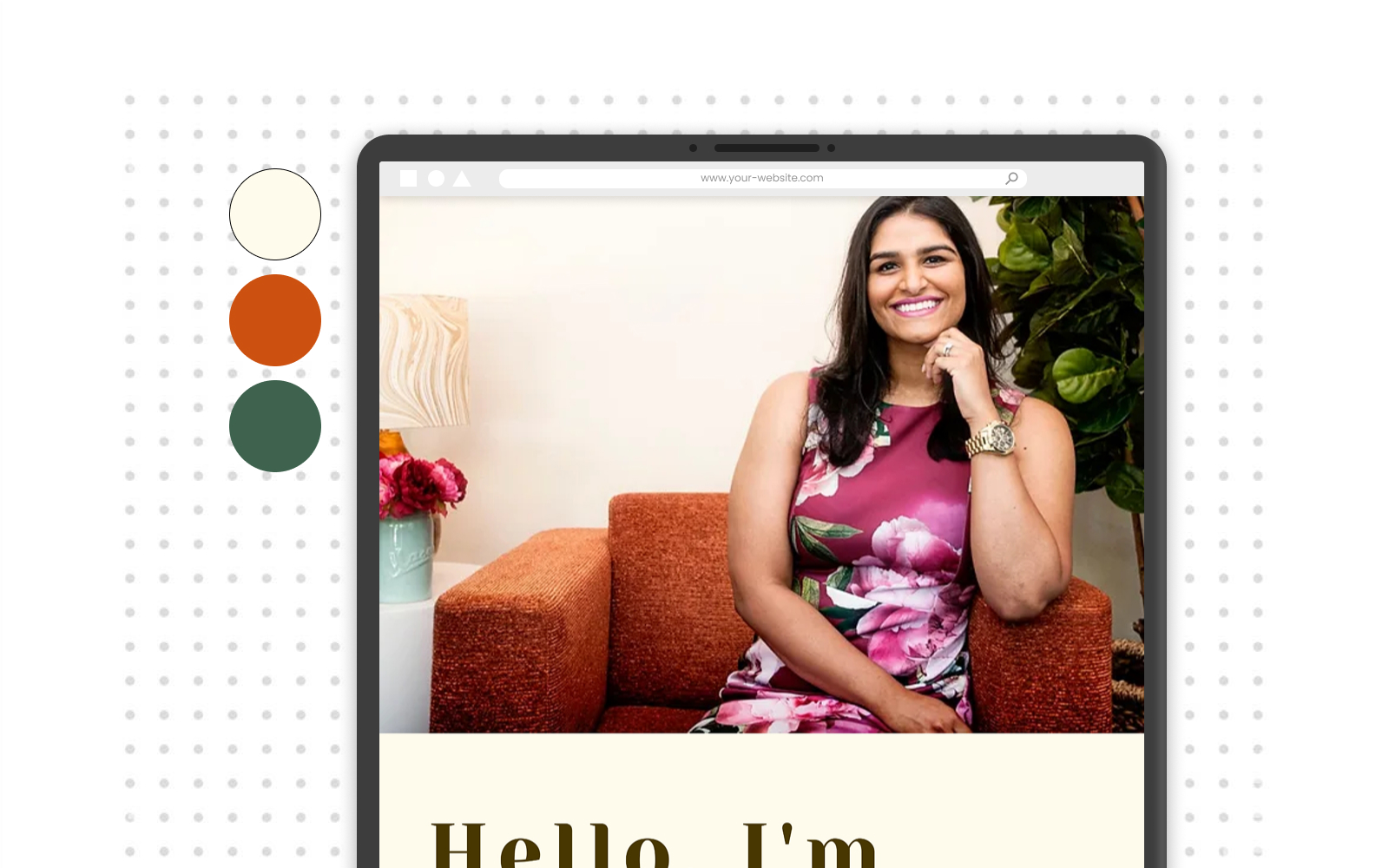
Provided actionable visual and content guidelines to the product designer and developer, including recommendations for muted colors, larger typography, and reduced text density. These guidelines streamlined handoff and reduced ambiguity during implementation.
Lessons Learned & Next Steps
This project reinforced the value of inclusive research when designing for sensitive, trust-based services. A next step would be validating the redesigned experience with usability testing to measure clarity, comfort, and ease of access for patients.
Final Solutions